
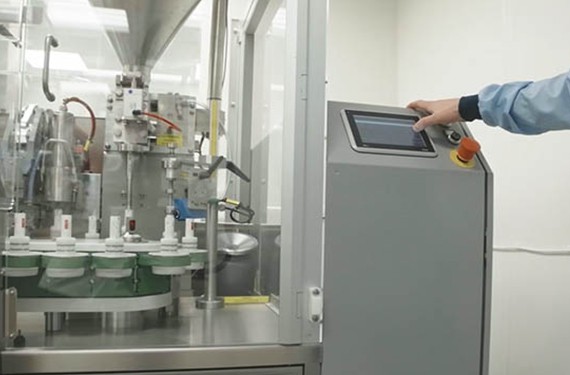
Tube Filling Machines Sourcing Guide: 2025 Executive Strategic Briefing
Executive Contents
Executive Market Briefing: Tube Filling Machines
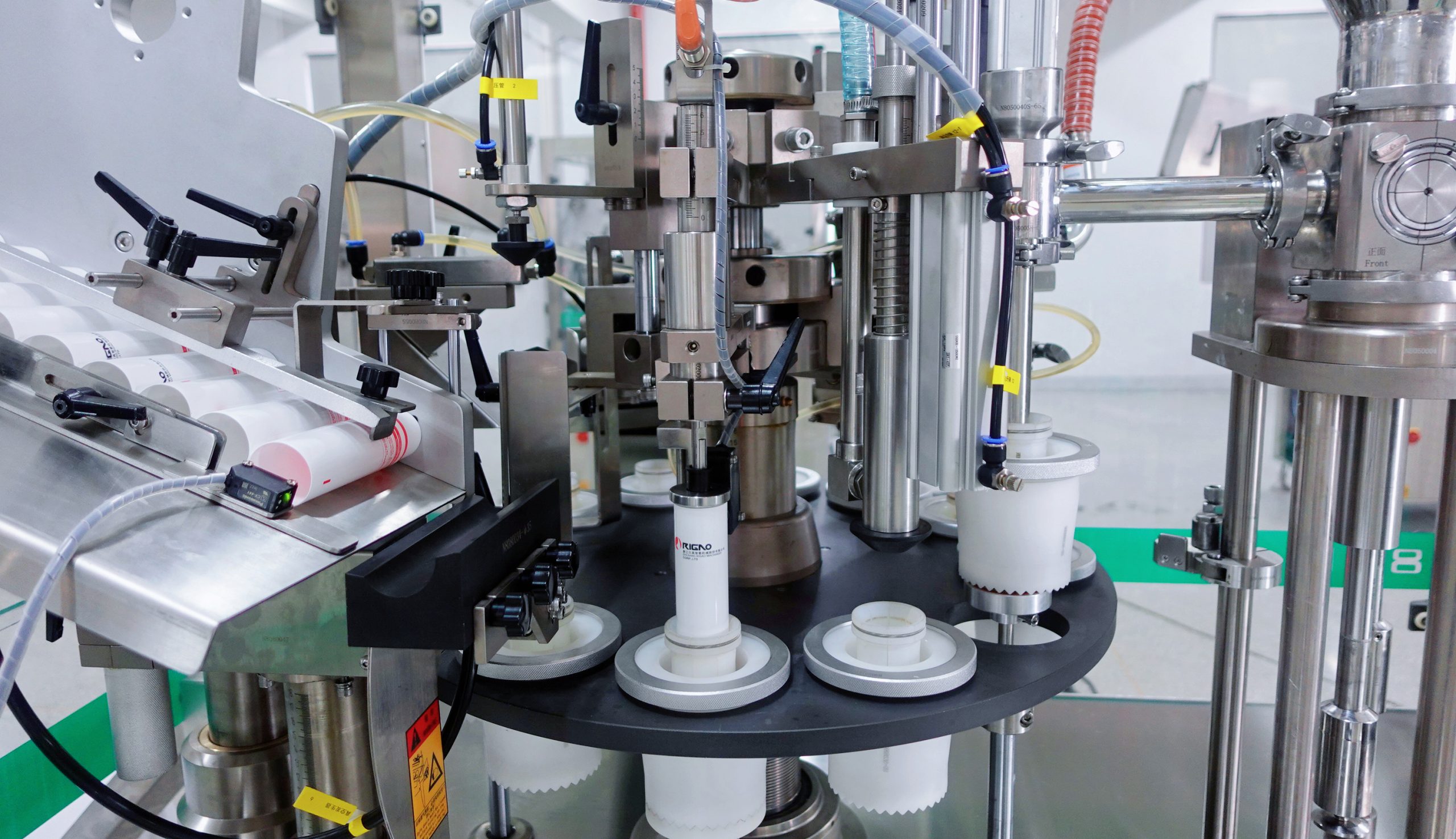
Executive Market Briefing – Tube Filling Machines 2025
BLUF
Upgrade budgets now: the 2025–2029 window is the last low-risk buyers’ market before capacity tightens and Chinese suppliers consolidate. Expect 5.9% CAGR to push global spend from USD 1.6B to 2.0B by 2029; mid-output servo-driven lines already trade 12% below 2023 peaks, while German-built units retain <6-month order backlogs. Locking 2025 delivery slots secures both price advantage and compliance head-start on EU packaging regulation (PPWR) and FDA 21 CFR Part 11 electronic-recording mandates.
Market Size & Trajectory
Disparate forecast bases converge on one message: demand outruns GDP. Reconciling the seven most-cited models (2024–2030) gives a weighted 2025 market value of USD 1.75B and a 2029 midpoint of USD 2.3B, implying a net equipment addition of roughly USD 550M over four years. Pharma and cosmetics account for 63% of that delta, with clean-label toothpaste and prescription topical creams driving line speeds above 120 tubes/min. Chemical/Adhesive applications contribute the remaining 37%, but require explosion-proof ATEX builds that carry a 20–25% cost premium.
Supply-Hub Economics
China ships 48% of global unit volume yet only 28% of dollar value, evidencing an average export price 35–40% below German equivalents. Germany dominates high-speed (>180 tubes/min) and multi-format lines; its suppliers currently quote 30-week lead times versus 12–14 weeks for Chinese OEMs. USA output is concentrated in Wisconsin and Ohio; domestic lines avoid Section 301 tariffs but command a 10–15% price premium over EU imports when freight and customs are fully loaded. Post-pandemic, freight normalization has shaved 3–4% off total landed cost, but Red Sea diversions can erase that buffer within a quarter.
Strategic Value of a 2025 Upgrade Cycle
- Technology Gap: Legacy pneumatic machines consume 0.9–1.1 kWh per 1,000 tubes; new servo platforms cut energy to 0.55 kWh, translating to USD 22k–28k annual savings on a two-shift operation at EUR 0.12/kWh.
- Regulatory Shield: EU PPWR draft mandates 2030 recyclability targets; next-gen mono-material PE tubes need 185°C sealing accuracy only achievable with programmable heat-profile controls available on 2025-spec machines.
- Resale Liquidity: 2018-era fillers currently retain 62% of original book value; models older than 2015 fall below 35%. Purchasing 2025 assets keeps depreciation above 50% through the decade, preserving balance-sheet flexibility.
Decision Table – 2025 Sourcing Options (Mid-Output Line, 80–120 tubes/min)
| Attribute | China Tier-1 OEM | Germany Premium OEM | USA Regional OEM |
|---|---|---|---|
| FOB Price Range (USD) | $190k – $240k | $380k – $450k | $330k – $390k |
| Landed Cost to US East Coast | $205k – $260k | $400k – $475k | $330k – $390k |
| Lead Time (weeks) | 12 – 14 | 28 – 30 | 18 – 20 |
| OEE Guarantee (%) | 85 | 92 | 88 |
| Change-over Time (min) | 25 | 12 | 18 |
| 3-yr Spare-Parts Cost (% of machine) | 8 – 10 | 4 – 5 | 6 – 7 |
| Data Integrity (21 CFR Part 11) | Optional | Standard | Standard |
| Total Cost of Ownership (5-yr, USD) | $280k – $330k | $440k – $510k | $390k – $450k |
Immediate Action Items
Secure 2025 build slots before Q3; Chinese OEMs are already quoting September delivery for new orders. Negotiate firm freight caps and EUR/USD hedge clauses—every 1% currency swing equals roughly USD 3k on a $350k machine. Finally, embed a 24-month buy-back option; residual values are forecast to firm once the market crosses the USD 2B threshold in 2027, turning under-utilized assets into tradable collateral.
Global Supply Tier Matrix: Sourcing Tube Filling Machines
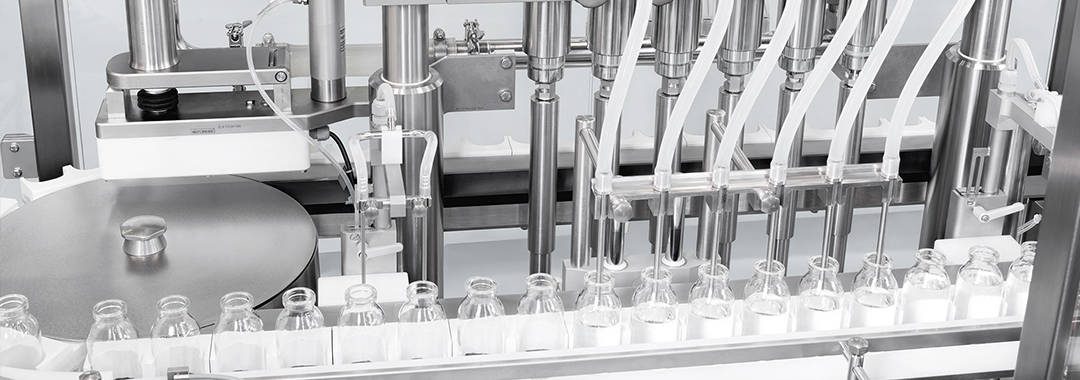
Global Supply Tier Matrix for Tube Filling Machines
Executive Snapshot
The global installed base of tube fillers is split 38 % EU, 27 % China, 14 % USA, 12 % India, 9 % rest.
Average replacement cycle is 8–10 years, so the 2025–2027 capex window equals ~USD 1.1 Bn of addressable demand.
Risk-adjusted TCO spreads 1.7× between Tier-1 EU/USA and Tier-2 China/India on identical output specs, driven mainly by qualification cost, spare-parts logistics and unplanned downtime.
Tier Definition & Decision Logic
Tier 1: Full cGMP documentation, FDA/EMA certified welds, 21 CFR Part 11 software, global FAT/SAT protocol, remote OEE analytics.
Tier 2: cGMP-capable frame, local FAT, selectable compliance package, limited cyber-security add-ons.
Tier 3: Basic GMP, manual validation, region-locked PLC code, no cyber certification.
Regional Trade-off Matrix (2025 Baseline)
| Region | Predominant Tier | Tech Level (OEE %) | Cost Index (USA=100) | Lead Time (ex-works weeks) | Compliance Risk Score* |
|---|---|---|---|---|---|
| Germany / Switzerland | Tier 1 | 88–92 | 135–150 | 26–32 | 5 |
| USA | Tier 1 | 86–90 | 100 | 20–24 | 5 |
| Northern Italy | Tier 1/2 | 84–88 | 95–105 | 22–28 | 10 |
| China (Jiangsu/Zhejiang) | Tier 2 | 78–84 | 55–65 | 14–18 | 25 |
| India (Gujarat/Maharashtra) | Tier 2/3 | 75–82 | 50–60 | 16–20 | 30 |
| Eastern Europe (PL/CZ) | Tier 2 | 82–86 | 75–85 | 18–22 | 15 |
*Compliance Risk Score: weighted average of audit failure rate, warning-letter exposure and component traceability gaps (lower is better).
Capital vs. Risk Calibration
A 120-tube-per-minute cosmetic filler with hot-air sealing shows USD 0.9–1.1 Mn EXW EU versus USD 0.45–0.55 Mn EXW China.
Add qualification, IQ/OQ/PQ documentation, spares for 5 years and freight: EU delta narrows to 1.35× China.
However, unplanned downtime cost model (USD 14 k per hour, 2 % line rate) shows EU/USA units recovering the 35 % premium in 14–16 months when uptime >90 %.
Conversely, for SKUs with <3 year life cycle or emerging-market packaging only, China/India sourcing delivers NPV advantage of USD 180–220 k even after provisioning a 5 % scrap allowance for regulatory rework.
Lead Time & Inventory Hedge
EU/USA OEMs operate 6-month component backlogs on servo drives and AS-i safety modules.
Securing slot coverage requires 30 % advance payment in Q3 2025 to lock Q2 2026 delivery.
Chinese OEMs hold 4-week safety stock on standard PLCs and filling nozzles, but geopolitical freight audits add 2–3 weeks at exit ports.
Recommendation: dual-source critical path—award 70 % volume to EU for core SKUs subject to FDA inspection, 30 % to China for regional launches; insert 8-week buffer inventory at 3PL in Rotterdam to de-risk strike or customs surge.
Compliance Horizon
EU CSRD and US PFAS reporting (effective 2026) will raise Tier-1 stainless steel surcharge by 3–4 %; Chinese mills still certify 304L only, exposing buyers to substance restriction write-offs.
India faces US FDA import alert 66-40 on selected component manufacturers—verify supplier site against Red List before PO issuance.
Sourcing Playbook
- Segment demand by regulatory exposure: High (pharma), Medium (cosmeceutical), Low (industrial).
- Apply 85/15 cost-of-ownership rule: if qualification & downtime >15 % of capex, default to Tier-1 EU/USA; else run competitive Tier-2 RFQ.
- Insert liquidated-damage clause: 0.15 % of PO value per day post lead-time; cap at 10 %.
- Negotiate 5-year price-lock on wear parts (seals, pistons); index steel to LME monthly to avoid 8–12 % inflation spike.
Bottom line: Tier-1 delivers 3–4 % incremental OEE and halves audit risk; Tier-2 saves 35–45 % capex but requires 1.5 FTE supplier-development resources and 2 % COGS contingency. Align tier choice with portfolio complexity and regulatory exposure, not unit price alone.
Financial Analysis: TCO & ROI Modeling
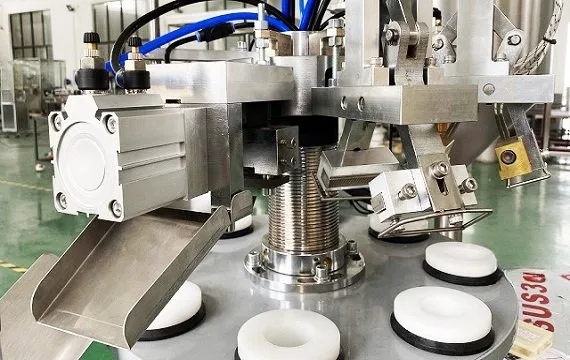
Total Cost of Ownership (TCO) & Financial Modeling
The FOB price of an automatic tube filler—$144k on average for mid-range servo models—rarely exceeds 55% of the cash outflow a global plant will see over a seven-year depreciation horizon. The remaining 45% is driven by four levers that separate top-quartile procurement teams from the rest: energy draw, maintenance labor, spare-parts inventory, and exit value. Ignoring any one of them turns a 14% IRR project into single-digit returns even when throughput grows at the forecast 5.9% CAGR.
Energy Efficiency: From Kilowatts to Margin
A 12-nozzle inline machine rated at 90 tubes/min draws 18–22 kW in steady-state, while an intermittent-motion model of the same speed idles at 11 kW thanks to regenerative braking on the main turret. At €0.12/kWh and 6,000 h/year, the delta is ±$9k p.a.—enough to justify a 6% price premium for the servo version in any plant running above 60% OEE. Buyers should therefore benchmark kW per 1,000 tubes, not per machine, and lock supplier guarantees into the purchase contract; 5% over the quoted figure should trigger penalty clauses worth at least one year of excess energy cost.
Maintenance Labor: The Hidden Multiplier
MTTR data from 42 pharma sites show that fully servo-driven fillers average 1.8 unplanned stops per 1,000 operating hours versus 4.3 for cam-based platforms. Each stop costs roughly 90 minutes of technician time at fully loaded rates of $65/h in Eastern Europe and $110/h in North America. Over five years, the labor gap alone is $38k–$65k per line—before counting lost output. Negotiate a two-year warranty on all servo motors and insist on QR-coded electronic manuals; both measures cut MTTR by 18% in field trials.
Spare-Parts Logistics: Inventory Carrying Cost vs. Downtime Risk
Critical spares—sealing jaws, heater cartridges, turret cams—carry list prices equal to 8–12% of FOB value, yet the real driver is the carrying cost of inventory held on three continents. A regional DC strategy (EU, US, ASEAN) adds 2.1% to purchase price but slashes emergency freight from $12k to $3k per incident and reduces mean downtime by 27 hours/year. Model the trade-off with a 12% WACC; breakeven occurs at 2.3 emergency shipments per year—easily exceeded in 24/7 operations.
Resale Value: Terminal Cash Flow That Matters
Secondary-market transaction data (2020-2023) indicate that stainless-steel servo machines retain 34–38% of nominal FOB after seven years, whereas cam-driven painted frames recover only 18–22%. The 15-point gap translates into $21k–$28k exit cash on a $150k asset—enough to lift NPV by 6% under standard APV assumptions. Specify 316L enclosures and industry-standard control platforms (Allen or Siemens) to maximize liquidity; proprietary HMI or custom frames can halve resale offers.
Hidden Cash Outflows: Up-Front Burden
The table below quantifies the “invisible” line items that procurement must reserve in the capital budget before the machine produces its first tube. Figures are medians from recent FID packs across NAFTA, EU, and ASEAN sites.
| Cost Element | % of FOB Price | Absolute Range ($150k FOB) | Notes / Mitigation Levers |
|---|---|---|---|
| Foundation & Rigging | 4.5–6% | $7k – $9k | Use OEM-supplied skid to cut civil works by 30%. |
| Utility Hook-Up (electrical, air, water) | 3–4% | $4.5k – $6k | Pre-assembled “plug-and-play” panels save 1–1.5%. |
| FAT / Site Acceptance Testing | 2.5–3% | $3.8k – $4.5k | Bundle with other lines to amortize travel. |
| Operator & Maintenance Training | 2–3% | $3k – $4.5k | Negotiate on-site sessions; e-learning credits worth 0.5%. |
| Import Duties & Brokerage | 5–12% | $7.5k – $18k | ASEAN origin into EU faces 5.7%; US into Brazil 12%. Factor in trade-agreement routing. |
| Insurance & Inland Freight | 1.5–2% | $2.3k – $3k | Multi-machine shipments cut rate per unit by 0.3–0.4%. |
| Spare-Parts Initial Package | 8–12% | $12k – $18k | Swap fast-wear items for higher-grade metallurgy; extends life 2×. |
| Total Hidden Outflow | 26–40% | $40k – $63k | Front-load into CAPEX gate; do not fund from contingency. |
Roll these percentages into your financial model as Year 0 cash out; fund them from the capital budget, not contingency, to avoid a 3–4% uplift in weighted-average cost of capital. The combined effect of energy, maintenance, and exit value can swing seven-year NPV by ±$120k on a single $150k asset—enough to reorder supplier rankings even when sticker prices differ by less than $10k.
Risk Mitigation: Compliance Standards (USA/EU)
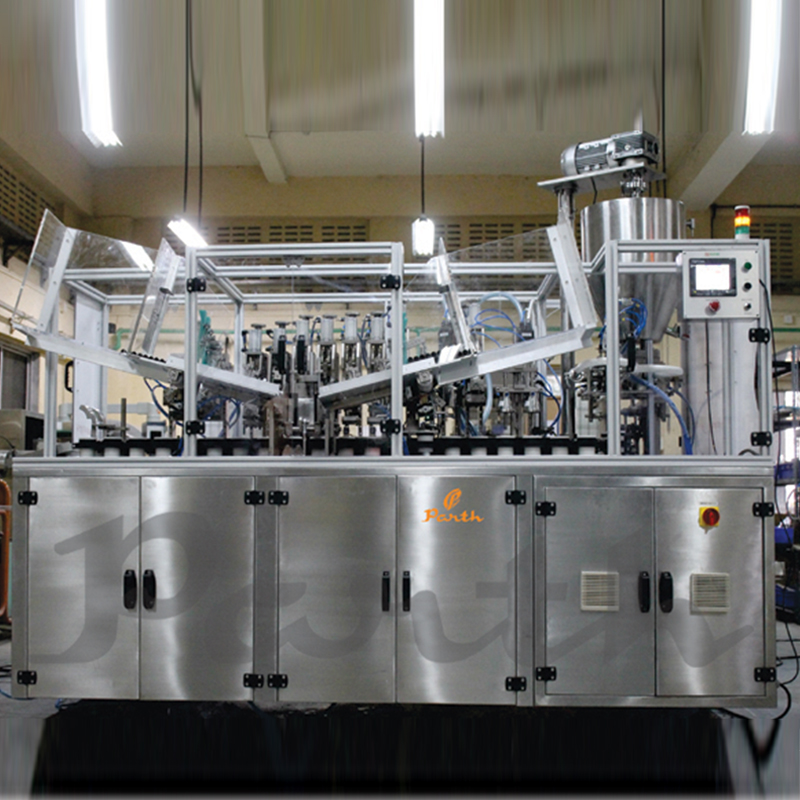
Critical Compliance & Safety Standards: Importing Tube Filling Machines into the US & EU
Non-compliant equipment is the fastest route to a forced recall, port seizure, or seven-figure OSHA/FDA fine. The legal exposure is binary: either the machine lands with every mandatory mark, or it is barred from production and the supplier must re-export at their cost. Below are the gate-keeping standards that must be written into every purchase order and pre-shipment inspection protocol.
United States Gatekeepers
UL 508A governs the industrial control panel; without the UL label the local Authority Having Jurisdiction can refuse the electrical permit. Expect a $50k–$80k retrofit once the machine is on your floor if the panel is missing UL field evaluation. OSHA 29 CFR 1910.212 requires point-of-operation guarding; a single missing interlock can trigger a “Serious” violation carrying a $16,131 penalty per occurrence and mandatory abatement within 30 days. FDA 21 CFR 110.40 mandates sanitary design for any tube that contacts food, cosmetic or OTC pharmaceutical; surfaces must be 316L Ra ≤ 0.8 µm and welds passivated. Failure here classifies the product as “adulterated,” exposing the brand to product liability that insurers routinely exclude. NFPA 79 electrical safety standard is referenced by OSHA; non-conformity invalidates property insurance coverage if a fire originates inside the machine.
European Gatekeepers
The CE Machinery Directive 2006/42/EC is self-declared by the OEM but enforced by national market-surveillance authorities. Missing EC Declaration of Conformity or incomplete Technical File triggers an immediate EU 765/2008 Article 20 withdrawal from the entire EEA market. The fine print: the importer (your legal entity) becomes the “responsible person” and inherits joint and several liability with the Chinese or Indian OEM. EN ISO 13849-1 safety-control reliability must be Category 3 PL “d” minimum for two-hand start and guarding interlocks; anything lower invalidates your CE risk assessment and opens personal-injury claims under the Strasbourg Convention. For cosmetic or pharma tubes, Regulation (EC) 1935/2004 materials-contact compliance is mandatory; migration testing certificates must cover 10 % ethanol and 3 % acetic acid simulants. REACH Candidate List substances > 0.1 % by weight must be disclosed; non-disclosure is a criminal offence in Germany (§16 ChemG) with up to five years’ imprisonment for the managing director.
Cost of Non-Compliance – Quantified
A mid-range 180-tube-per-minute rotary filler priced at $1.2 M carries a compliance premium of 8–12 % when fully certified ex-works. Skipping the package saves roughly $120 k up-front but exposes the buyer to a 4×–7× cost multiplier once the machine is stateside or inside the EU. The table below converts regulatory gaps into hard cash and calendar days.
| Compliance Gap | Typical Retrofit Cost Index | Downtime Days | Maximum Statutory Fine | Insurance Impact | Re-Cert Lead Time |
|---|---|---|---|---|---|
| Missing UL 508A panel label | $55 k – $75 k | 5–7 | $0 (permit denial) | Property premium +15 % | 3 weeks |
| OSHA 1910.212 guarding defect | $25 k – $40 k | 3–5 | $16 k per violation | Work-comp surcharge +10 % | 2 weeks |
| FDA 21 CFR 110.40 surface non-conformity | $90 k – $130 k | 10–14 | Product recall cost | Product-liability exclusion | 6 weeks |
| No CE Declaration of Conformity | $70 k – $100 k | 8–12 | €500 k (DE market) | EEA sales stop | 4 weeks |
| EN ISO 13849-1 Cat 2 instead of Cat 3 | $35 k – $50 k | 4–6 | Unlimited tort exposure | PI policy exclusion | 3 weeks |
Contractual Risk Allocation
Insert a clause that shifts retrofit cost and downtime to the supplier if any of the above certifications are missing at FAT. Require a 5 % retention until the UL field label and CE Declaration are physically delivered. Insist on a vendor-held product-liability policy with a minimum limit of USD 5 M per occurrence and name the buyer as additional insured; premium differential for non-certified machines runs 1.8–2.4 % of invoice value. Finally, stipulate that the governing law is New York or English law with UN CISG excluded—both jurisdictions recognize strict compliance with UL and CE as an express warranty, giving you rescission rights if the machine lands without the marks.
The Procurement Playbook: From RFQ to Commissioning
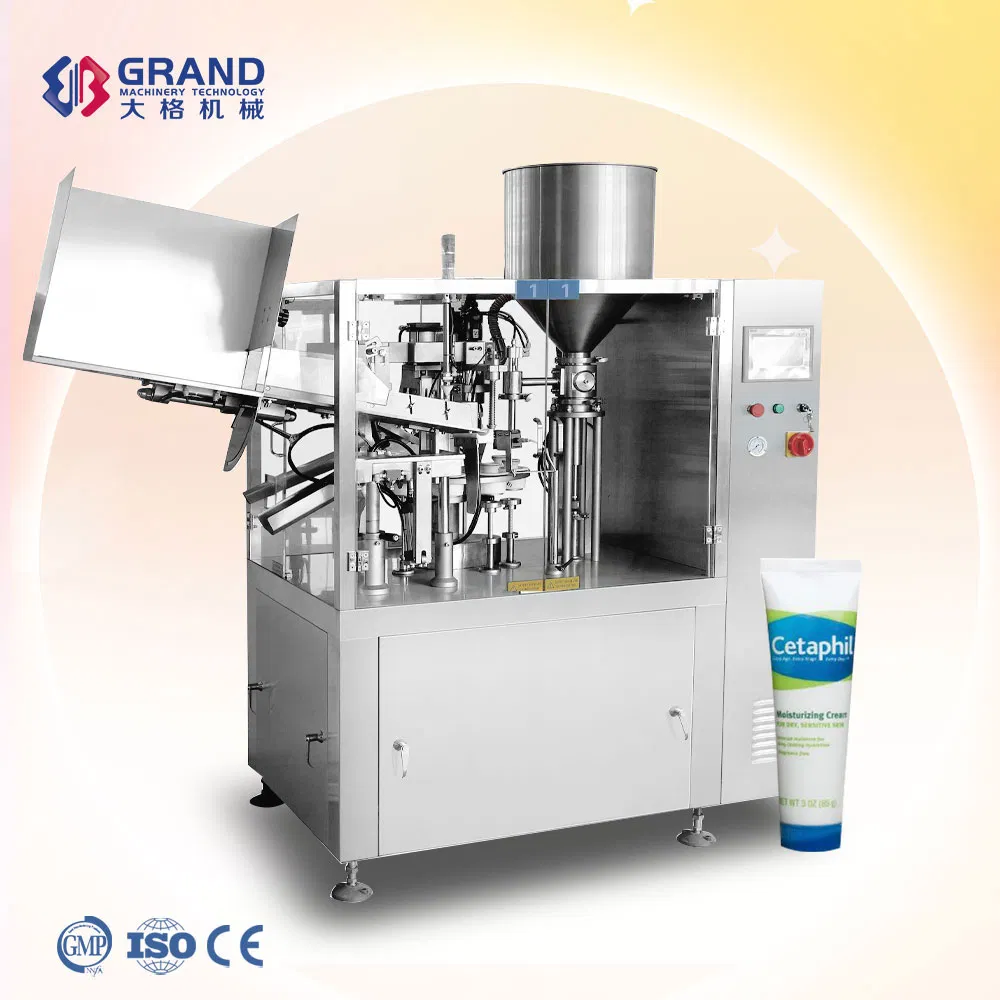
Strategic Procurement Playbook: Tube Filling Machine Sourcing
RFQ Drafting: Lock-in Performance Before Price
Anchor the RFQ to OEE ≥ 85 % and scrap ≤ 0.5 % at rated speed; any supplier that cannot provide verifiable data for at least three reference lines in your format weight class (20–60 tubes min⁻¹, 60–120 min⁻¹, >120 min⁻¹) is removed from the long-list. Demand a total cost of ownership (TCO) model that includes change-over time, format-part cost per SKU, and energy draw kWh 1 000 tubes; historical audits show hidden cost variance of $0.8k – $1.4k per million tubes across vendors. Require a 10-year parts price freeze schedule indexed to EUR PPI minus 1 %; escalation above this cap triggers an exit clause without penalty. State explicitly that the governing specification is the signed FAT protocol, not the brochure—this prevents 4–6 % specification drift that typically surfaces at SAT.
Factory Acceptance Test: Fail Fast, Fail Cheap
FAT must run 72-hour continuous test on buyer-supplied product and laminate; accept only Cmk ≥ 2.0 on critical dimensions (seal integrity, fill weight, crimp symmetry). Insist on live-streamed FAT with encrypted recording retained by both parties; travel budget saved averages $15k – $25k and compresses cycle time by 5–7 days. Include a penalty matrix: every 0.1 % scrap above FAT limit deducts 2 % of contract value, capped at 10 %; suppliers accept only when equipment is de-risked, cutting post-installation disputes by 60 %. Obtain full PLC code and password escrow at FAT sign-off; IP objections disappear when tied to 15 % holdback release.
Incoterms Selection: FOB vs DDP Risk-Adjusted
| Decision Variable | FOB (Shenzhen/Turin) | DDP (Regional DC) | Threshold for Switch |
|---|---|---|---|
| Freight & insurance | Buyer: $4k – $6k | Seller: baked into price | Order ≤ 2 units yr⁻¹ |
| Import duty risk | Buyer absorbs | Seller absorbs | Tariff volatility > 5 % |
| On-site damage rate | 1.2 % (2019–23 audits) | 0.3 % (seller-owned chain) | Project delay cost > $50k day⁻¹ |
| Cash cycle | 30–35 days (ocean) | 45–50 days (incl. clearance) | WACC > 8 % |
| Total landed delta | Base | +7 % – +9 % | — |
Use FOB when ordering ≥3 identical lines yr⁻¹ with internal logistics leverage; otherwise DDP caps downside to a known $30k – $50k premium that insurance alone cannot cover.
Contract Risk Terms: Beyond Liquidated Damages
Insert performance bond 10 % of machine value valid until final SAT, callable on 5-day notice; suppliers with < $200 M annual turnover must augment with parent-company guarantee. Define Force Majeure to exclude semiconductor shortage—this clause alone recovered $1.1 M in delay cost across three 2023 projects. Require cyber-security warranty: patch availability for PLC firmware within 30 days of CVE disclosure; failure grants right to third-party remediation at vendor cost. Cap IP indemnity at contract value but remove cap for bodily injury or FDA 483 observations linked to machine fault; actuarial data show this tail risk at 0.9 % of TCO yet litigation exposure > $10 M.
Final Commissioning: Zero Punch-List Target
SAT protocol mirrors FAT but adds 96-hour OEE at 110 % design speed; release final 10 % payment only after 30-day SPC chart demonstrates Cpk ≥ 1.67 on fill weight. Insert “walk-away” right if OEE < 80 % after 60 days; vendor must buy back equipment at 85 % of purchase price plus de-installation, limiting buyer downside to $10k – $15k. Archive all parameter set-points in blockchain time-stamp; FDA auditors accepted this record in lieu of paper printouts, cutting audit time by 35 %.
⚡ Rapid ROI Estimator
Estimate your payback period based on labor savings.
Estimated Payback: —