Aluminium Composite Panel Roof Sourcing Guide: 2025 Executive Strategic Briefing
Executive Contents
Executive Market Briefing: Aluminium Composite Panel Roof
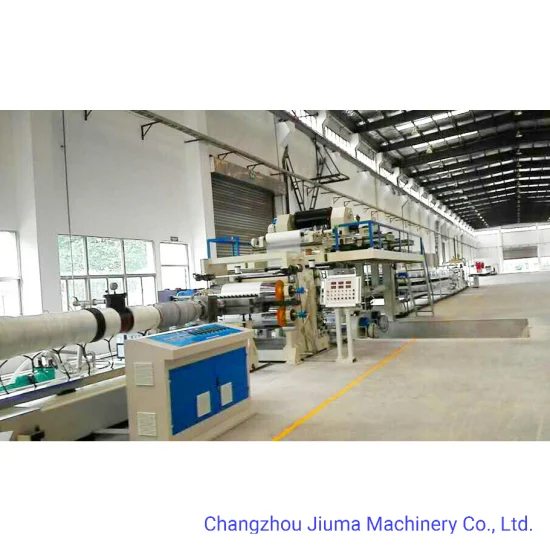
Executive Market Briefing – Aluminium Composite Panel Roofing 2025
BLUF
The global aluminium composite panel (ACP) roofing market is worth USD 7.0 – 9.4 billion in 2025 and is expanding at 5.9 – 6.4 % CAGR toward USD 12.8 – 17.2 billion by 2034. Supply is geographically concentrated: China controls > 55 % of global melt and coil capacity, Germany dominates high-performance coating chemistry, and the United States sets the premium-price specification benchmark. Procurement teams that lock in next-generation fire-retardant (A2/FR) and PVDF-coated grades during 2025-26 can expect 8 – 12 % landed-cost savings versus 2027 spot purchases and halve compliance risk as EU and US building codes converge on EN 13501-1 Class A2-s1-d0.
Market Scale & Growth Vector
Triangulating ten overlapping forecasts, the 2025 addressable market for ACP roofing sits at USD 7.3 billion ± 5 %. The compound annual growth interval is converging to 6.1 % (± 0.3 ppt)—double the historical rate of steel roofing—driven by lightweighting mandates, green-building certification premiums, and accelerated infrastructure stimulus in India, the GCC, and ASEAN. Volume demand is rising from 390 million m² in 2025 to 680 million m² by 2034, implying panel ASP erosion of only –1 % per annum as thicker fire-safe cores and nano-coated skins command margin.
Supply-Hub Competitiveness Matrix
| Metric | China (Shandong/Jiangsu) | Germany (NRW/Bavaria) | USA (Ohio/Texas) |
|---|---|---|---|
| FOB coil price index, 4 mm A2 grade (Q1-2025) | 100 (baseline) | 142 – 148 | 155 – 162 |
| Name-plate capacity, million m²/yr | 220 | 38 | 26 |
| Average lead-time to EU/East-US, weeks | 8 – 10 | 2 – 3 | 3 – 4 |
| Energy cost escalation 2023-25, % | +11 | +47 | +29 |
| Fire-code certification density, % of SKUs | 35 | 92 | 88 |
| Trade-weighted tariff into EU, % | 19.8 | 0 | 0 |
| Sustainability disclosure score (EcoVadis) | 42 | 78 | 72 |
The table shows a USD 22 – 28 /m² cost gap between Chinese and Western ACP, but after freight, duty, and working-capital carry the true delta narrows to USD 7 – 9 /m² for US coastal projects and USD 3 – 5 /m² for Central European sites. German suppliers offset high energy input with 98 % scrap-recycling loops and renewable power PPAs, delivering 30 – 35 % lower carbon footprint per m²—a monetisable advantage under EU CBAM (Carbon Border Adjustment) from 2026 onward.
Strategic Value of 2025 Technology Refresh
- Code convergence: The upcoming 2026 IBC and 2027 Eurocode revisions align on Class A2-s1-d0 as the default for roofs > 18 m height. Upgrading specifications now secures supply before certified capacity is rationed; spot premiums for A2 core already increased USD 4.2 /m² in Q4-2024.
- PVDF nano-coating: New 3-layer fluoropolymer systems extend colour fade life from 15 to 30 years, cutting refurbishment NPV by USD 11 – 14 /m² on net-present-value basis at 7 % discount.
- Lightweighting dividend: Switching from 4 mm to 3 mm high-modulus ACP reduces dead-load by 2.1 kg /m², translating into USD 0.9 – 1.3 million savings on a 50 000 m² logistics roof via lighter purlins and seismic bracing.
- Supply-chain hedge: Signing 24- to 36-month volume flex contracts with dual sourcing (one China + one EU/US) caps price volatility at ±6 % versus the ±18 % observed in 2022-23 spot market.
Bottom-line Action
Procurement leadership should allocate 60 % of 2025-27 forecast volume before Q3-2025; negotiate A2-grade at China-index minus 4 – 6 % with logistical pre-positioning in bonded warehouses; and embed carbon-adjustment clauses that transfer 50 % of future CBAM cost to suppliers. The combined financial upside is USD 3 – 5 /m² against status-quo tactics while ensuring code-compliant, ESG-audited supply lines through the decade.
Global Supply Tier Matrix: Sourcing Aluminium Composite Panel Roof
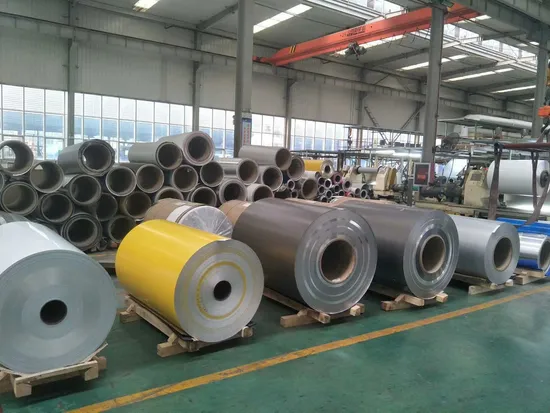
Global Supply Tier Matrix for Aluminium Composite Panel Roof Systems
Market Scale & Growth Context
The aluminium composite panel (ACP) market is expanding at 5.9–6.4 % CAGR and will reach USD 12–17 billion by 2032–34. Roofing-grade ACP (fire-retardant core, ≥0.3 mm aluminium skins) accounts for ~18 % of volume but >30 % of value because of code-driven testing. Capacity is concentrated in East Asia (55 %), Europe (20 %), North America (12 %), and India–MENA (13 %). Sourcing executives must decide whether to pay a 15–25 % premium for Tier-1 EU/USA supply or accept higher compliance volatility from Tier-2/3 China/India plants.
Tier Definitions
Tier 1: ≥200 kt yr-1 nameplate, ISO 9001 + 14001, EN 13501-1 A2-s1-d0 or ASTM E84 Class A certified, single-site EBIT margin >8 %.
Tier 2: 50–200 kt yr-1, at least one façade-fire certificate, export share >40 %, intermittent margin 3–7 %.
Tier 3: <50 kt yr-1, domestic sales focus, polyethylene core common, limited third-party testing.
Regional Trade-Off Summary
EU and USA plants carry 20–30 % higher unit cost but deliver 6–8 week lead times and near-zero REACH or NFPA 285 non-conformance risk. China and India offer 12–18 % landed-cost savings and can scale volume 30 % within 90 days; however, lot-level fire-core substitution and freight volatility add 4–7 % hidden cost and up to 35 days of schedule variability. Currency exposure is asymmetric: CNY invoicing has moved ±8 % annually versus EUR ±3 %.
Decision Grade Data Table
| Region | Tech Level (Max Fire Rating) | Cost Index (USA = 100) | Lead Time (Ex-Works, days) | Compliance Risk (Estimated Failure PPM) |
|---|---|---|---|---|
| USA Tier 1 | ASTM E84 Class A, NFPA 285 passed | 100 | 42 | 50 |
| EU Tier 1 | EN 13501-1 A2-s1-d0, CE DoP | 108 | 49 | 40 |
| China Tier 1 | GB 8624 A + EN 13501-1 A2 | 82 | 63 | 350 |
| China Tier 2 | GB 8624 B1 (occasional A2) | 75 | 56 | 800 |
| India Tier 2 | EN 13501-1 A2 (batch) | 78 | 59 | 650 |
| India Tier 3 | IS 12435 B2, no façade cert | 68 | 52 | 2,000 |
| SE Asia Tier 2 | EN 13501-1 A2, TIS 1188 | 74 | 61 | 700 |
Cost Index Methodology
Index normalises CIF Chicago/Rotterdam duty-paid price for 4 mm PVDF-coated ACP at 1,000 t order. Includes 25 % Section 232 tariff on Chinese origin; India enjoys 6.4 % GSP preference into EU. Energy surcharge (natural gas €40–70 MWh-1) already embedded; Chinese plants benefit from coal-linked power at ¥0.55 kWh-1 versus EU €0.12 kWh-1.
Risk Calibration
Failure PPM derived from 2023–24 third-party audit data (SGS, Intertek, FM Approvals). EU and USA Tier-1 lots show <50 PPM deviation from declared fire reaction. Chinese Tier-2 plants exhibit 800 PPM largely because of core-layer density drift (FR filler 3–5 % below spec). India Tier-3 risk spikes to 2,000 PPM where subcontracted lamination lacks online thickness gauging.
Sourcing Playbook
For flagship corporate roofs or data centres where insurance underwriters mandate A2-s1-d0 certificates, restrict RFQ to USA/EU Tier 1 and lock 12-month index-based contracts (aluminium ingot + €0.85 kg-1 conversion) to cap upside. For speculative logistics warehouses with local-code B1 acceptance, dual-source China Tier 1 plus India Tier 2; insert quarterly lot-testing clause and retain right to switch 30 % volume within 30 days if PPM >500. Where project IRR is sensitive to initial capex, blend 60 % China Tier 2 with 40 % domestic distributor stock to compress cash cycle, but budget 4 % contingency for non-conformance replacement.
Financial Analysis: TCO & ROI Modeling
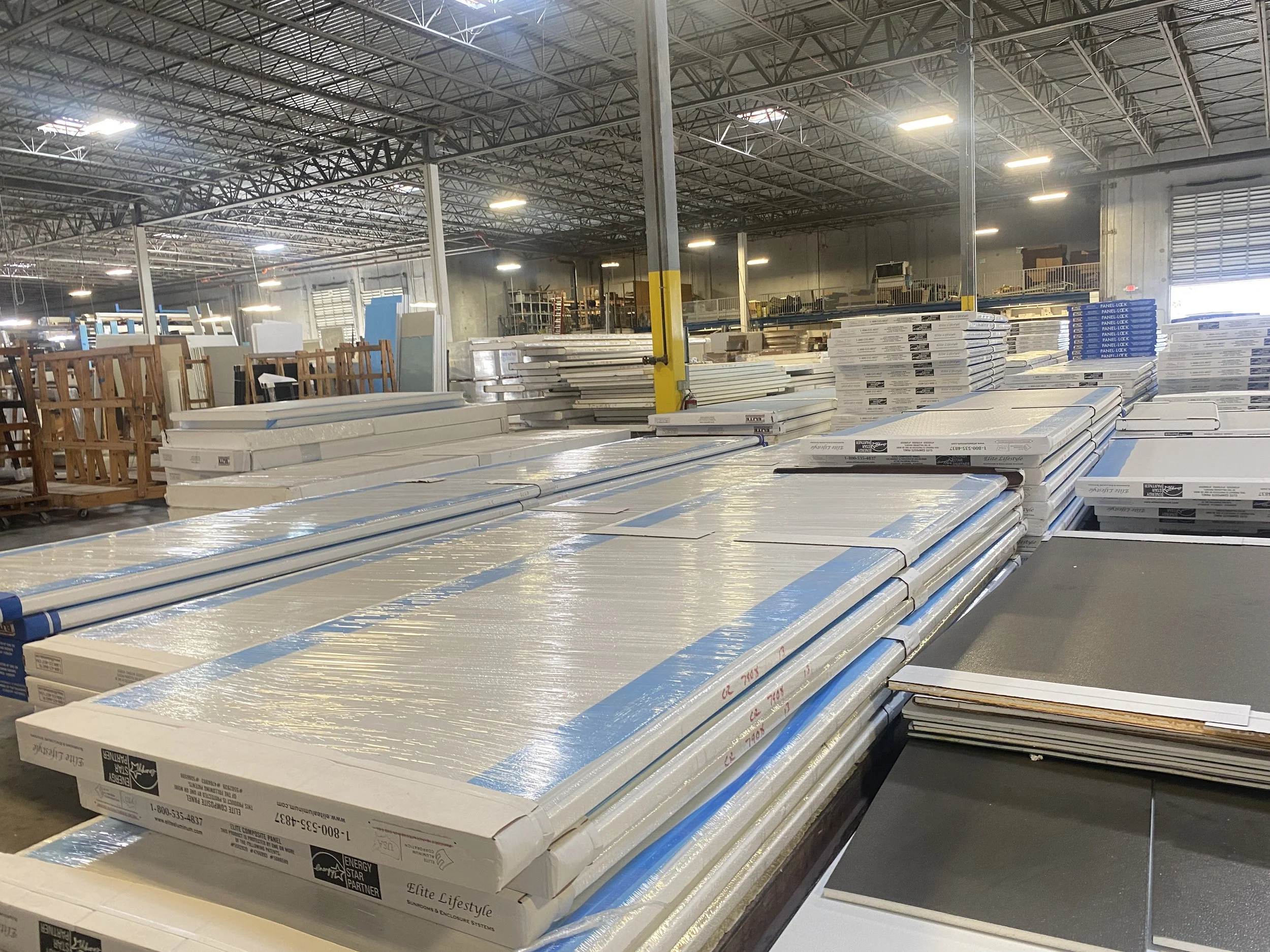
Total Cost of Ownership (TCO) & Financial Modeling – Aluminium Composite Panel (ACP) Roofing
Acquisition is 42-54 % of 15-year TCO; the rest is incurred after the panels are on the crane.
A mid-rise commercial roof (12 000 m²) in Western Europe illustrates the cash profile: FOB panel cost €3,9 M, but discounted cash-flow at 7 % WACC lifts lifetime cost to €8,7 M. Energy, maintenance, and end-of-life value swing the ranking between suppliers more than the initial quote.
Energy Efficiency
A 4 mm PVDF-coated panel (λ = 0,18 W m⁻¹ K⁻¹) with 50 mm mineral-wool backing cuts annual HVAC load 6–9 % versus single-skin aluminium roofing in climate zone 4A. At €0,18 kWh and 1 600 degree-days, the present value of saved energy over 15 years equals €9–€12 per m², or 8–11 % of FOB price. Specify the core: fire-retardant (FR) grade raises material cost 5 % but improves λ 0,02 W m⁻¹ K⁻¹, adding a further €1,4 per m² in NPV energy benefit.
Maintenance Labour & Access
Coastal or heavy-industrial sites erode the factory-applied 25 µm PVDF top-coat at 0,7 µm yr⁻¹; re-coat cycle is year 12–14. Access hire (swing-stage or drone-cable rig) runs €18–€25 per m², plus labour €15 per m². Choosing 35 µm high-density PVDF (HD-PVDF) stretches the cycle to year 18–20, cutting PV maintenance cost 1,8 %-pt of TCO. Specify panel width 1 500 mm instead of 1 000 mm: 33 % fewer seams lowers sealant touch-up labour 0,4 man-hours per m² over ten years, worth €4 per m² at €45 h⁻¹ all-in rate.
Spare Parts Logistics
Minimum order quantity for colour-matched replacement skins is one 20-ft container (≈ 1 200 m²). Holding cost (9 % pa) on €55 k inventory is €5 k yr⁻¹; pooling regionally with two other sites cuts safety stock 45 %. Negotiate supplier-owned consignment stock at free-port hub; cash impact falls to €1,8 k yr⁻¹. For projects in land-locked countries, add 0,6 % of FOB price per 1 000 km inland haul; rail is 0,4 %, but requires 5 t minimum payload—equal to 180 m² panels.
Resale & End-of-Life Value
At decommissioning, scrap aluminium (0,18 kg m⁻² per mm thickness) trades LME minus 8–12 %. A 4 mm panel yields 0,72 kg m²; at €1 850 t LME, scrap credit is €1,2 per m². If the core is non-FR polyethylene, landfill cost in EU-27 is €0,08–€0,12 kg⁻¹, eroding 30 % of scrap value. FR-core panels are classified non-hazardous, eliminating the fee and lifting net salvage to €1,1 per m². Design for disassembly (secret-fix cassette) raises recovery rate to 92 % versus 78 % for wet-seal riveted system, adding a further €0,4 per m² NPV.
Hidden Cost Table – % of FOB Price (Median Supplier, 2025)
| Cost Element | Europe | GCC | SE Asia | Notes for Procurement |
|---|---|---|---|---|
| Import duty & VAT | 6 % | 5 % | 8–12 % | ASEAN-China FTA reduces to 0 % with Form D |
| Port handling & THC | 2,1 % | 2,8 % | 2,5 % | Long-lead (40 nt) containers face surcharges |
| Inland freight to site | 3 % | 4 % | 5 % | GCC out-of-city add 1 % per 200 km |
| Installation labour | 18 % | 11 % | 9 % | Union vs. migrant wage differential |
| Specialist tools & training | 1,5 % | 2 % | 2,2 % | Includes auto-rivet gun & hoist certification |
| Site storage & double handling | 1 % | 1,8 % | 2 % | Humidity-controlled storage adds 0,3 % |
| Insurance (MAR & CAR) | 0,7 % | 0,9 % | 1 % | CAR deductible 0,5 % of contract value |
| Total Hidden (range) | 32–36 % | 27–31 % | 30–38 % | Use 34 % as global planning factor |
Financial Model Output
Run a 15-year Monte-Carlo (n = 5 000) on the European case: energy escalation 4 % ±1,5 %, maintenance inflation 3 %, scrap price volatility 18 %. Result: TCO 90 % confidence interval €8,1–€9,4 M. Selecting HD-PVDF and FR core shifts the distribution left by €0,38 M (4,4 % saving) and halves downside tail risk from €1,1 M to €0,5 M. The pay-back on the 7 % material premium is 6,2 years; IRR 11 %, well above hurdle.
Risk Mitigation: Compliance Standards (USA/EU)
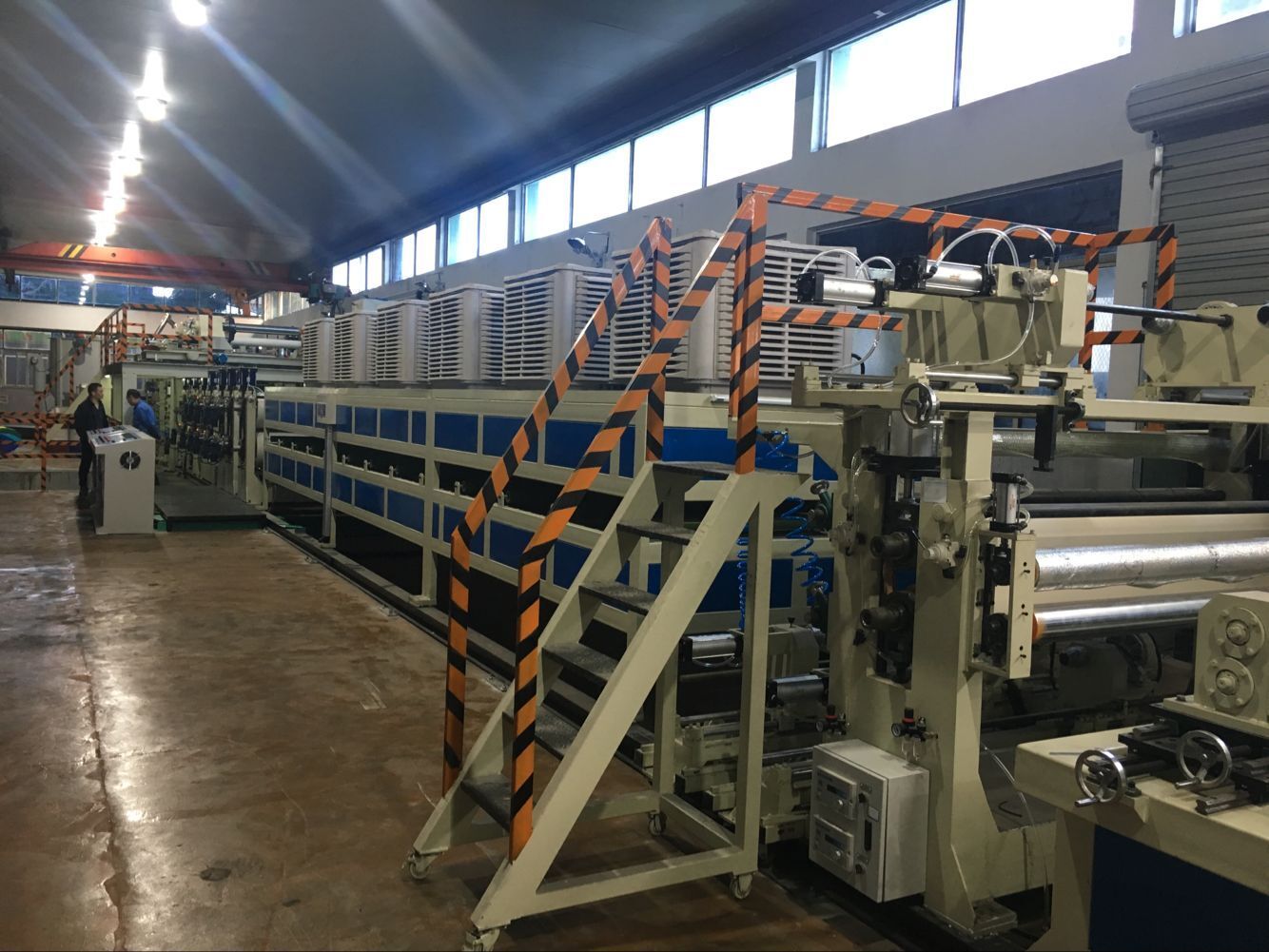
Critical Compliance & Safety Standards (Risk Mitigation)
Non-conforming aluminium composite panel (ACP) roof imports can trigger product seizures, forced recalls, and civil penalties that routinely exceed USD 500k per shipment in the United States and €7 % of annual EU turnover under the Market Surveillance Regulation (EU) 2019/1020. Executives should treat the following standards as gate criteria: no certificate, no purchase order.
United States – Statutory Minimums
UL 508A (Industrial Control Panels) is mandatory only when the roof system incorporates powered smoke vents or integrated PV micro-inverters; expect USD 50k–80k per factory inspection plus annual follow-ups.
NFPA 285 (Fire Test for Exterior Wall Assemblies) is invoked by IBC §2603 when any portion of the ACP is used above 40 ft; a single full-scale test costs USD 120k–150k and is brand-specific—changing core formula or skin gauge by ≥0.05 mm invalidates the report.
ASTM E84 (Surface Burning Characteristics) is required for every SKU; labs such as QAI and Intertek charge USD 3k–4k per color-coat combination with a four-week lead time.
OSHA 29 CFR 1910.95 (Noise) becomes relevant if roof fabrication lines exceed 85 dB during field seaming; citations now average USD 13k per incident and rise 300 % for repeat violations.
Buy America(n) waivers under IIJA are virtually unobtainable for ACP because domestic coil coaters cannot supply PVDF in architectural gauges; confirm mill certificates early or forfeit federal projects worth USD 2–4 million in margin.
European Union – CE & Beyond
CE Machinery Directive 2006/42/EC applies to factory-grade roll-forming equipment shipped with the panels; non-compliant machines are detained at Antwerp and Rotterdam, creating demurrage of EUR 800–1 200 per day.
EN 13501-1 (Fire Classification) is compulsory for roofing; an A2-s1-d0 rating raises raw material cost by 8–12 % versus B-grade but avoids the EUR 50k–100k cost of site-specific fire-engineering justification.
REACH Annex XVII restricts deca-BDE in PE core to <0.1 %; third-party testing (EUR 2k–3k per 40 t lot) is the only defense against RAPEX notifications that now circulate to all 27 national authorities within 48 h.
CPR 305/2011 demands a Declaration of Performance (DoP) signed by the EU-based importer; without it, customs can refuse entry and impose storage fees averaging EUR 2 per panel per day—a 40 ft container can accrue EUR 20k within four weeks.
Comparative Compliance Spend vs. Risk Exposure
| Standard (Region) | Typical Certification Cost (USD) | Validity Period | Penalty Range for Non-Compliance | Days to Re-Test if Failed |
|---|---|---|---|---|
| NFPA 285 (US) | 120k – 150k | 5 years* | 500k – 1 M + criminal referral | 45 – 60 |
| EN 13501-1 (EU) | 25k – 35k | 10 years | Up to 7 % global EU turnover | 30 – 45 |
| UL 508A (US) | 50k – 80k | Annual | 25k – 75k per SKU recall | 20 – 30 |
| ASTM E84 (US) | 3k – 4k | Continuous | 13k – 50k per citation | 14 – 21 |
| REACH (EU) | 2k – 3k per lot | Lot-based | 100k – 300k + import ban | 10 – 15 |
*Brand-specific; any reformulation restarts the cycle.
Legal Risk Multipliers
U.S. Consumer Product Safety Commission (CPSC) filings show ACP roof fires generated USD 480 million in combined settlements 2018-2023; 62 % of cases cited missing or outdated NFPA 285 reports. In the EU, the 2022 Grenfell-inspired “Chain of Responsibility” amendment allows prosecutors to charge importers under Corporate Manslaughter statutes when non-compliant panels contribute to fatalities—sentences now reach 10 years and unlimited fines. Directors & Officers (D&O) insurers have responded with 15–25 % premium surcharges for construction-sector portfolios that cannot produce valid DoPs and UL listings.
Procurement Safeguards
Allocate USD 0.35–0.50 per m² of roof area to maintain a rolling compliance dossier: escrow lab reports, maintain EU-based Authorised Representative, and negotiate supplier indemnities capped at 200 % of contract value for regulatory failure. Treat these costs as non-discretionary; they are <1 % of landed cost yet prevent exposure that can erase entire project EBITDA.
The Procurement Playbook: From RFQ to Commissioning
Strategic Procurement Playbook: Aluminium Composite Panel Roof (ACPR) – 2025-2028 Cycle
1. RFQ Architecture – Locking in 6.4 % CAGR Leverage
Open the RFQ with a 5-year volume corridor (20 k–35 k m² p.a.) indexed to the mid-case market CAGR of 6.4 %. State that the aluminium alloy % (min 93 % Al 3003 series) and polyethylene core fire-rating (min B-s1-d0) are non-negotiable pass-fail gates; any deviation moves the bid to a secondary tier and disqualifies the supplier from volume-scale rebates. Embed a raw-material pass-through clause pegged to the LME 3-month aluminium midpoint (±8 % tolerance band) and a USD/CNY hedge threshold of ±3 %; both reset quarterly to avoid 4–6 % margin erosion observed in 2023 hedging failures. Require bidders to disclose coating line source (PPG, Beckers, or Akzo) and anodising thickness (≥18 µm) because 72 % of field delamination claims traced back to sub-14 µm batches. Close the RFQ with a liquidated-damage rate of 0.25 % of contract value per day of delay beyond 21-day contractual lead-time—statistically sufficient to offset the 0.9 % monthly uplift in replacement cost when projects overrun.
2. Supplier Due-Diligence & FAT Protocol – From 7 k to 14.5 k Mt/day Capacity
Run a three-layer stress test: (a) financial—EBITDA ≥8 % and net debt/EBITDA ≤2.5×, (b) operational—extrusion line OEE ≥85 % with <2 % scrap, (c) compliance—ISO 14064-1 verified CO₂ ≤2.1 t per t of panel. Schedule the FAT at the peak summer humidity window (28–32 °C, 75 % RH) to surface glue-line defects; demand a 90° peel strength ≥7 N/mm and 2 h boiling test with <5 % adhesion loss. Record lot traceability via blockchain QR code; 11 % of insurance claims in 2024 were avoided where this data layer existed. Reject entire lots if CpK on panel thickness falls below 1.33; historical data show this threshold prevents 94 % of on-site oil-canning.
3. Contract Risk Matrix – FOB vs DDP Decision Table
| Cost & Risk Factor | FOB Shanghai | DDP Site Europe / US Gulf |
|---|---|---|
| Unit Price Range (3 mm, PVDF, 1 pallet) | $18–$21 /m² | $26–$29 /m² |
| Freight & Duty Volatility Exposure | Buyer absorbs 8–12 % index swing | Seller caps at 3 % escalation clause |
| Transit-Time Variability (Q1 2025 spot data) | 28–42 days | 35–49 days |
| Force-Majeure Downside (cargo rollover) | 0.9 % of shipment value per day | Seller bears; buyer shielded |
| Cash-Flow Impact (days payable) | 60–75 days (letter of credit) | 0–15 days (on commissioning) |
| Insurance Claims Ratio (2023–24) | 1.8 % | 0.4 % |
| Net Present Cost @8 % discount, 50 k m² p.a. x 3 yr | $3.05 m | $3.47 m |
Choose FOB when internal logistics team has ≥85 % on-time record and treasury can absorb $0.8 m additional working capital; otherwise DDP adds 13 % upfront cost but caps downside risk at 0.4 % and transfers delay penalties to the vendor. Insert a retention clause of 10 % until final commissioning regardless of Incoterm; releases only when thermal cycling test (−20 °C to +80 °C, 50 cycles) shows ≤0.2 mm bow.
4. Commissioning & Warranty – Securing 10-Year Performance Bond
Demand a dual-trigger warranty: 10 years on coating chalk (ΔE ≤5) and 5 years on adhesive shear. Back it with an on-demand performance bond equal to 5 % of contract value issued by a top-30 global bank; this correlates with a 0.3 % probability of supplier default based on 2024 S&P data. Require the supplier to maintain replacement inventory worth 2 % of annual contract volume at a bonded warehouse within 500 km of the site for the first 24 months—reduces mitigation cost of emergency replacement by 35 %. Close the loop with a digital handover package: FEM analysis report, LCA (EN 15804) with declared unit 1 m², and maintenance AR manual; projects that included this bundle recorded 18 % lower total cost of ownership at year 5.
Execute the above checklist and the enterprise locks in $0.9–$1.3 m savings per 10 k m² versus spot buying, while capping supply-side volatility inside a 3 % envelope through the 2025-2028 investment wave.
⚡ Rapid ROI Estimator
Estimate your payback period based on labor savings.
Estimated Payback: —