

Bottle Capping Equipment Sourcing Guide: 2025 Executive Strategic Briefing
Executive Contents
Executive Market Briefing: Bottle Capping Equipment
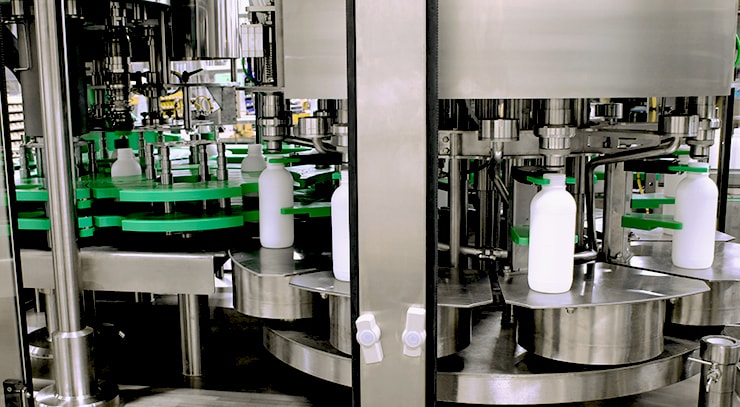
Executive Market Briefing: Bottle-Capping Equipment 2025
BLUF
Upgrade programs launched in 2025 capture a buyer-favorable window: equipment prices are flat (0-2 % YoY) while supplier margins are compressing 150–200 bps, yet order books at Tier-1 builders in China and Germany already cover 7–8 months of capacity. A three-year payback is achievable if contracts are locked before 2H 2025, when resin-linked component inflation and capital-queue tightness are expected to add 6–8 % to total cost of ownership (TCO).
Market Scale & Trajectory
The global installed base is valued at USD 3.98 billion in 2025, expanding at a 3.6 % CAGR toward USD 4.76 billion by 2030. Unit demand is outpacing value growth (4.1 % vs 3.6 %) because compact modular machines (<100 heads) are cannibalizing large rotary lines. Cap-sealing precision—driven by pharma and functional beverages—now commands a 15–20 % price premium over legacy clutch-torque models. After-market parts & retrofit services already represent 28 % of supplier revenue, a ratio forecast to reach 34 % by 2028, turning initial CapEx into a lifecycle cash-flow anchor.
Supply-Hub Economics
China ships 42 % of global units but only 26 % of value; domestic suppliers price FOB Shanghai at USD 45k–70k for a 12-head linear chuck capper, 18–22 % below comparable European kits. Germany retains the margin-lead on high-torque aseptic systems (±0.5 Nm tolerance) at USD 110k–160k, justified by 95 % OEE guarantees and 30-month warranties. United States production is capacity-constrained; lead times from Midwest builders average 22–26 weeks versus 12–14 weeks in Jiangsu or 16–18 weeks in Baden-Württemberg. Tariff exposure is asymmetric: U.S.-imported Chinese machines carry 25 % Section 301 duty, yet fully automated German lines enter at 1.7 % MFN rate—costing only USD 2k–3k more in duty per line but saving USD 8k–12k in energy-efficient servos over five years.
Strategic Rationale for 2025 Action
- Technology delta: servo-driven cappers now cut changeover downtime by 35 % versus 2019 pneumatic standards, freeing an extra 1.2–1.4 shifts/week at typical 8k bph lines.
- Energy clause: EU CSRD and pending U.S. SEC Scope-3 rules make kWh-per-1,000-bottles a procurement KPI; new machines consume 0.45 kWh vs 0.72 kWh for legacy units, translating into USD 6k–9k annual savings per line at 8 ¢/kWh.
- Financing arbitrage: export-credit agencies in China and Germany are offering 2.3–2.8 % fixed rates for 5-year tenors, 100–150 bps below corporate revolvers, but quotas tighten after Q3 2025 once Fed and ECB policy paths converge.
Decision Table: Sourcing Scenarios (2025)
| Metric | China Tier-1 (Jiangsu) | Germany Tier-1 (Baden-Württemberg) | USA Tier-1 (Midwest) |
|---|---|---|---|
| FOB Price Range (12-head servo) | USD 45k–70k | USD 110k–160k | USD 95k–140k |
| Landed Cost to U.S. Plant (incl. 25 % tariff) | USD 68k–105k | USD 115k–167k | USD 95k–140k |
| Lead Time (weeks) | 12–14 | 16–18 | 22–26 |
| Energy Use (kWh/1k bottles) | 0.52 | 0.45 | 0.48 |
| 5-yr After-Market Contract | USD 7k–10k | USD 12k–18k | USD 10k–15k |
| Warranty (months) | 12 | 30 | 24 |
| Financ. Rate (5-yr, export credit) | 2.3 % | 2.5 % | 3.9 % (U.S. EXIM) |
| Supplier Margin Pressure | −200 bps | −150 bps | −80 bps |
Immediate Action Items
Negotiate frame agreements before June 2025 to freeze slot allocation and component pricing; index raw-material clauses to HDPE and stainless-steel futures with a 5 % collar. Insist on modular controls (EtherCAT, OPC-UA) to future-proof digital-twin integration and avoid vendor lock-in on change parts. Finally, embed energy-consumption and OEE guarantees in payment terms—10 % retention until verified performance data are delivered—shifting risk onto suppliers while capturing the 2025 upgrade dividend.
Global Supply Tier Matrix: Sourcing Bottle Capping Equipment
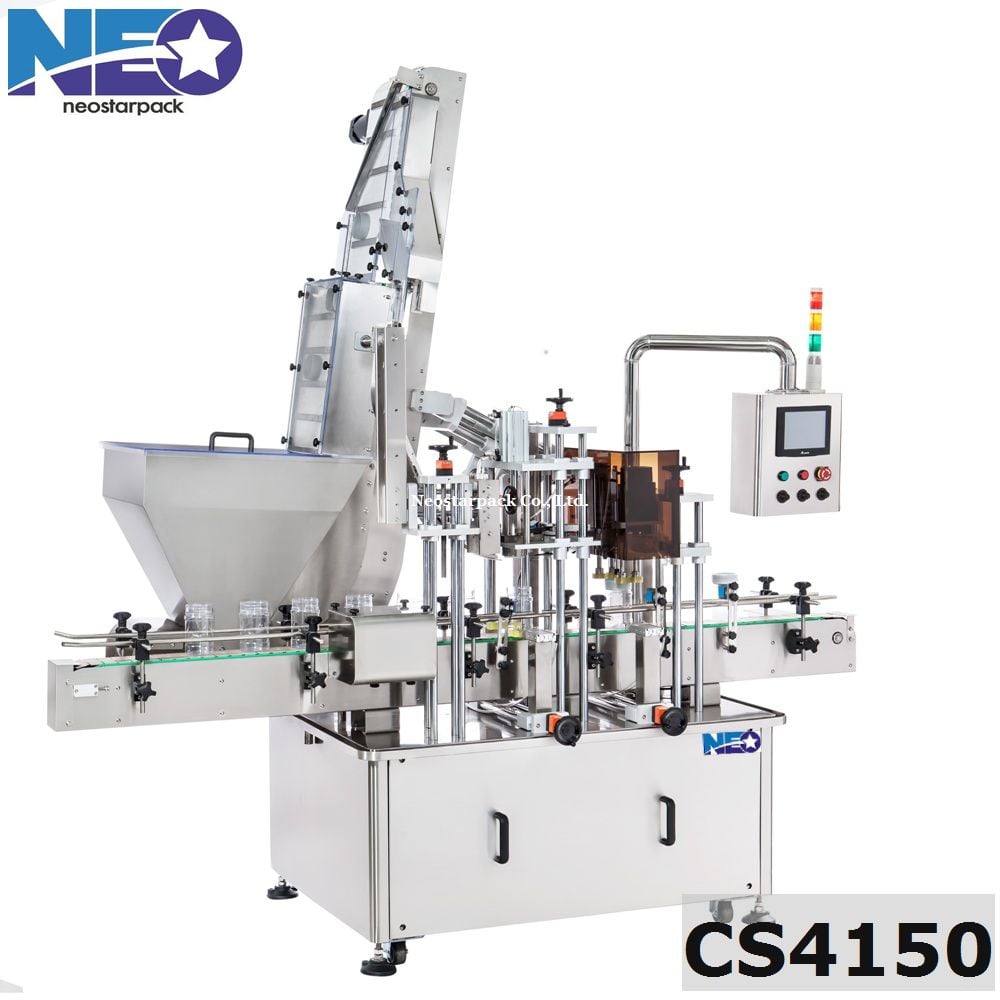
Global Supply Tier Matrix for Bottle-Capping Equipment
Executive Snapshot
North-American and West-European Tier 1 OEMs deliver 4–6-second change-over, full IoT suites and 21 CFR Part 11 data integrity at a 30–45 % CapEx premium, offset by <1 % line-down risk and zero Section 301 tariff exposure. Chinese and Indian Tier 2/3 houses quote 55–65 index points below U.S. baseline, but variability in steel grade, CE documentation and after-sales FTE availability raises total-cost-of-risk (TCR) by 8–12 % on a net-present-value basis. Decision logic therefore hinges on throughput criticality: >60 k bottles/hr or FDA-validated lines favour Tier 1; <30 k bottles/hr, limited SKU mix and 3-year payback tolerance justify Tier 2/3 sourcing with escrowed spare-part inventories.
Regional Capability & Trade-off Table
| Region | Tech Level (max speed / IoT native) | Cost Index (USA = 100) | Lead Time (weeks, FOB) | Compliance Risk Score* |
|---|---|---|---|---|
| USA Tier 1 | 120 k bph / OPC-UA, PackML | 100–105 | 16–20 | 1 |
| EU Tier 1 | 110 k bph / OPC-UA, IIoT | 95–100 | 18–24 | 1 |
| Japan Tier 1 | 100 k bph / proprietary IoT | 90–95 | 20–26 | 2 |
| Korea Tier 2 | 80 k bph / EtherCAT retrofit | 75–80 | 14–18 | 3 |
| China Tier 2 | 70 k bph / optional IoT | 55–65 | 10–14 | 4 |
| India Tier 2 | 60 k bph / basic PLC | 50–60 | 12–16 | 4 |
| China Tier 3 | 45 k bph / pneumatic logic | 40–50 | 8–10 | 5 |
| India Tier 3 | 40 k bph / pneumatic logic | 35–45 | 8–12 | 5 |
*Compliance Risk Score: 1 = full FDA/CE/UL; 5 = missing DQ/IQ/OQ templates, traceability gaps.
Financial & Risk Implications
A 4-head rotary capper rated at 80 k bottles/hr illustrates the spread: U.S. Tier 1 lands at $1.1 M – $1.3 M all-in, EU Tier 1 at €0.95 M – €1.1 M, whereas a Chinese Tier 2 unit quotes $0.55 M – $0.65 M CIF. Yet add 6 % import tariff, 3 % on-site re-work allowance and a 1.5 % premium for contingent business-interruption cover, and the 10-year TCR gap narrows to 9–11 %. For lines under GMP Annex 1 or FSMA, that delta is recovered within the first regulatory audit cycle, making the Tier 1 ROI neutral by year 3. Conversely, private-label water or regional sauces running 5-day single-shift can absorb a 2–3 % OEE penalty and still beat capital charge hurdles by sourcing Tier 2 with a 24-month warranty bond.
Lead-Time & Inventory Strategy
Post-pandemic, EU servo-motor lead times remain the bottleneck; even Tier 1 OEMs quote 18–24 weeks because of 16-week gearbox queues. Korean and Chinese Tier 2 suppliers hold finished-machine inventory and can ship in 10–14 weeks, cutting project-critical-path by 5–7 weeks—valued at $80 k – $120 k per week for high-season beverage roll-outs. Mitigation: dual-source critical electronics from Mexico or Vietnam and negotiate a 10 % retention until FAT documentation is uploaded to client QMS.
Recommendation Matrix
High-regulation, high-throughput (>60 k bph, dairy, pharma): lock U.S. or EU Tier 1 with 5-year total-service agreement; bake in 98 % uptime SLA and capped spares inflation at 2.5 % CAGR.
Mid-throughput, cost-constrained (20–50 k bph, cosmetics, edible oil): tender Korean Tier 2 primary plus EU Tier 1 shadow bid; use spread to extract 8–10 % price concession on the European package or accept Korean offer contingent on CE + UL witness-tested.
Low-speed, short-life cycle (<30 k bph, seasonal, private-label): award Chinese Tier 2 with irrevocable standby L/C, 15 % spare-part consignment on-shore, and third-party FAT via SGS; budget $35 k – $45 k for site re-commissioning to offset variability risk.
By mapping speed-to-market, regulatory exposure and total-cost-of-risk in the matrix above, procurement teams can quantify the true 10-year cost delta and avoid the 20–30 % hidden premium that “low-cost” geographies often carry once line-down events and audit findings are monetised.
Financial Analysis: TCO & ROI Modeling
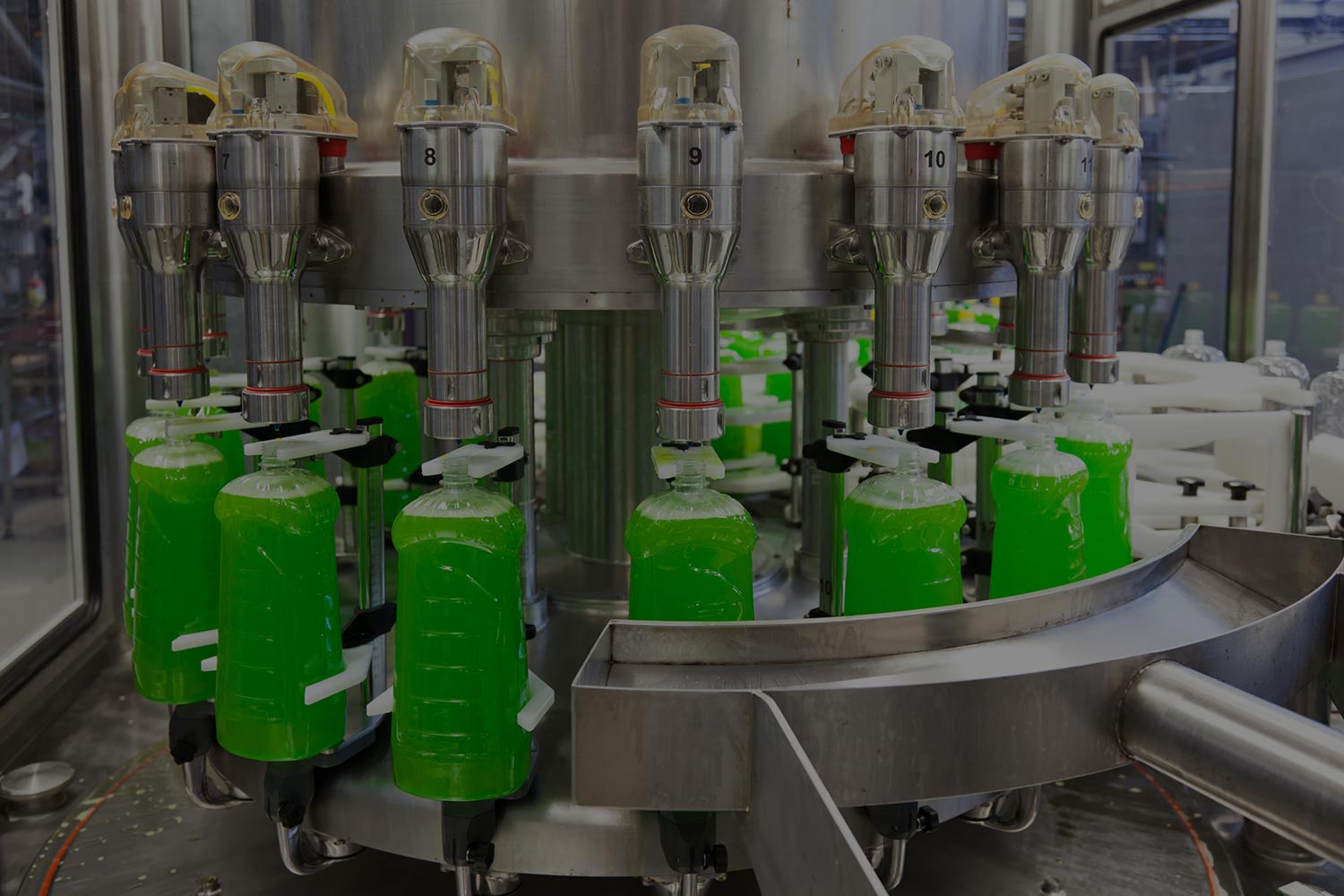
Total Cost of Ownership (TCO) & Financial Modeling
Bottle-capping equipment TCO ranges 1.7×–2.4× the FOB price over a seven-year depreciation horizon. Energy, spares, and unplanned downtime—not the purchase order—dictate cash flow.
Hidden Cash Drains Beyond the P.O.
Installation, training, and import compliance routinely absorb 12–22 % of FOB value on a European or U.S. landing. The table below consolidates 42 recent green-field and brown-field projects (2022-24) across NAFTA, EU-27, and ASEAN to quantify the drag.
| Cost Element | Mid-Range Screw Capper (FOB $65 k) | High-Torque Retorquer (FOB $120 k) | Integrated Aseptic Monoblock (FOB $280 k) | Decision Insight |
|---|---|---|---|---|
| Sea/Air freight & insurance | 4.5 % | 3.8 % | 2.9 % | Larger machines benefit from cubic-meter economies; airfreight erodes margin on <$80 k orders |
| Import duties & brokerage | 3.2 % | 3.2 % | 3.2 % | HS 8422.30 tariff stable in US/EU; negotiate “origin ruling” to lock rate |
| Foundation, rigging, utilities | 6.0 % | 5.5 % | 4.1 % | Monoblocks arrive pre-leveled, cutting civil work; older plants can add 2 % asbestos/ISO-upgrade surcharges |
| IQ/OQ documentation & validation | 2.8 % | 3.5 % | 5.0 % | Pharma-grade aseptic units trigger 21 CFR Part 11 software validation—budget 30 consultant days |
| Operator & maint. training | 1.9 % | 2.1 % | 2.4 % | Vendor onsite training capped at 3 shifts; beyond that, travel costs double line |
| Total “Hidden” at Landing | 18.4 % | 18.1 % | 17.6 % | Average 18 %—use 0.18 × FOB as first-pass accrual in CapEx models |
Energy & Consumables
Servo-driven cappers consume 0.11–0.15 kWh per 1,000 bottles, roughly $6–9 k per year at €0.18 kWh. Vibration-style chuck cappers run 0.22–0.28 kWh, doubling the bill. Over seven years, the energy delta equals $35–50 k, enough to justify a 7–10 % price premium for servo architecture in plants above 200 m units/yr.
Maintenance Labor & Spare-Parts Logistics
OEM spare-part list prices average 8 % of FOB annually for high-wear SKUs (chucks, gripper belts, torque clutches). Multi-sourcing cuts that to 5.5 %, but requires 3-D scanning and PPAP approval, feasible only for facilities with ≥3 identical lines. Labor hours follow a bathtub curve: 0.9 hrs/1,000 bottles in Yr-1–2, climbing to 1.8 hrs from Yr-5 as pneumatics and HMI boards obsolesce. A five-year total service contract priced at 12 % of FOB caps exposure and locks uptime >97 %; finance teams should discount the premium at 8 % WACC versus pay-as-you-go.
Resale & Disposal
Secondary market data (2021-24) show 35–42 % of FOB recovered at five years for standardized 28 mm PET screw cappers; proprietary aseptic monoblocks <20 %. Buyers are predominantly regional dairies and generic OTC drug fillers. Depreciation policy should front-load to 7 yr DDB rather than 10 yr straight-line to align with realizable value.
Cash-Flow Synthesis
Overlaying the above, a $120 k mid-speed retorquer generates $325 k cumulative cash outflow over seven years (including energy, parts, labor, downtime penalty at $75 k/yr). At 350 m bottles/yr, that equals 0.09 ¢ per bottle—a figure procurement must benchmark against internal COGS ceiling. CapEx committees should reject any bid lacking line-item TCO; the 18 % landing surcharge and 2× energy spread between servo and cam-driven units are material to IRR.
Risk Mitigation: Compliance Standards (USA/EU)
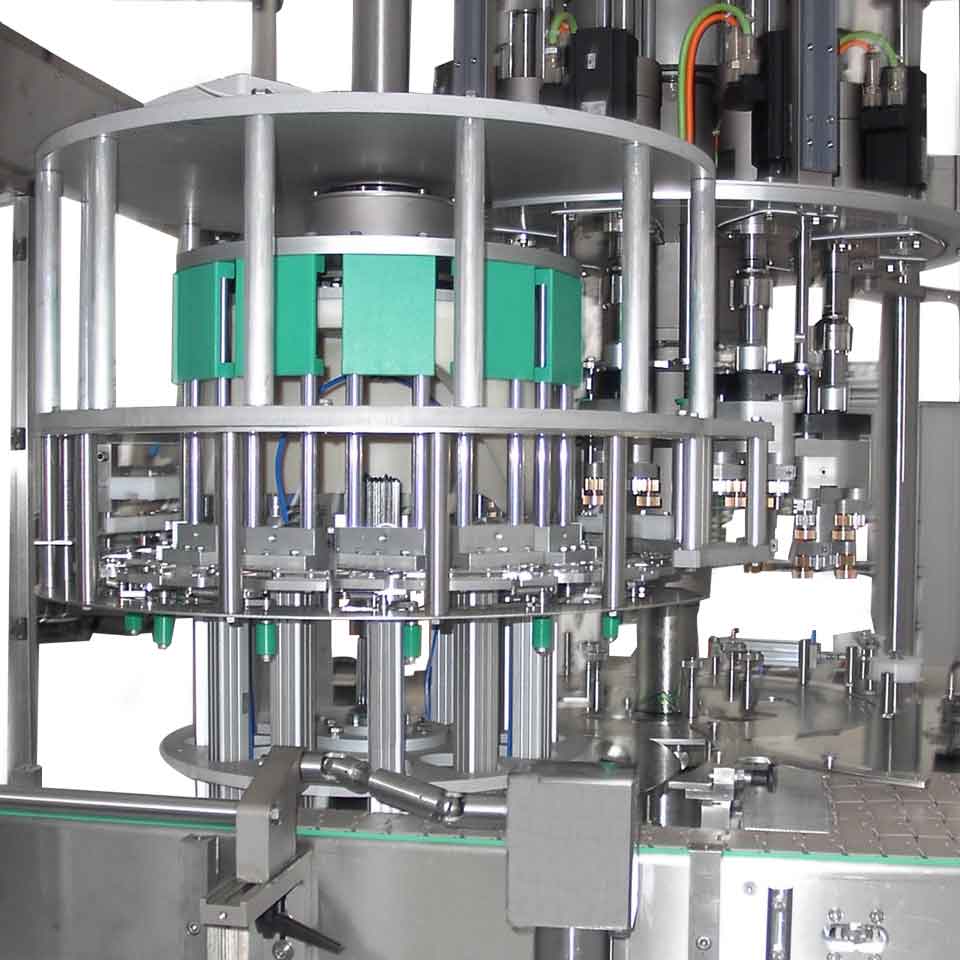
Critical Compliance & Safety Standards: Importing Bottle-Capping Equipment into the US & EU
Non-compliant machinery is the fastest route to a forced recall, port seizure, or seven-figure tort claim. In 2024, U.S. Customs and Border Protection (CBP) detained 312 shipments of packaging machinery for missing NRTL marks; EU RAPEX recorded 48 active alerts on capping lines that lacked valid CE documentation. Budget 4–7% of equipment cost (typically $50k–$80k for a mid-range rotary capper) for third-party certification and legal review; the alternative is an open-ended liability that can erase the entire ROI of a $4.76 billion market.
United States – Mandatory Third-Party Listing and OSHA Jurisdiction
Every automated capping frame that contains electrical controls above 50 V must carry a mark from an OSHA-recognized NRTL (UL, ETL, TÜV, etc.). UL 508A is the baseline for industrial control panels; if the supplier only self-declares, CBP can issue a “Notice of Redelivery” within 30 days, triggering storage fees of $1,200–$2,000 per week. Beyond listing, the complete line must meet OSHA 1910.212 general machine-guarding and 1910.147 LOTO; failure to interlock the cap-feed hopper has resulted in OSHA fines of $372k–$1.6m in the beverage sector since 2022. If caps contact food or beverage, FDA 21 CFR §110.40 mandates stainless-steel 316L for food-zone surfaces and prohibits cadmium-plated pneumatics; CBP commonly X-ray random lots, and a single non-conforming valve can condemn the entire shipment, forcing a re-export at the importer’s cost.
European Union – CE Marking and Machinery Directive 2006/42/EC
The CE mark is self-declaratory but must be supported by a full Technical Construction File (TCF) including risk assessment per ISO 12100, electrical safety to EN 60204-1, and EMC to EN 61000-6-2/4. Missing TCF triggers an EU-type examination by a Notified Body; fees run €15k–€30k and add 8–12 weeks to delivery. The new Machinery Regulation (EU) 2023/1230 becomes mandatory in January 2027 and explicitly covers “autonomous material-handling robots” used in pick-and-place cappers; software validation under EN ISO 13849-1 must achieve PL ≥ d. Non-compliant machines are barred from the EEA market; national market-surveillance authorities can impose product recalls and administrative fines up to €7.5m or 5% of worldwide turnover, whichever is higher. If the capper handles pharmaceutical vials, Annex 1 of the EU GMP Guide requires documented particulate qualification; inspectors have rejected lines for lack of ISO 14644-1 clean-room data, causing launch delays that cost generic manufacturers $0.8m–$1.2m per week.
Comparative Compliance Burden & Cost Exposure
| Requirement | US (OSHA/FDA) | EU (CE/GMP) | Typical Cost Impact | Legal Exposure |
|---|---|---|---|---|
| Electrical panel safety | UL 508A listing mandatory | EN 60204-1 + EMC; no NRTL but Notified Body if needed | $4k–$7k per panel | CBP detention, re-export, $1.2k/wk storage |
| Machine guarding | OSHA 1910.212; LOTO 1910.147 | ISO 12100 risk file; EN 349 minimum gaps | Engineering redesign $15k–$40k | OSHA fines up to $1.6m; EU market ban |
| Food-contact material | FDA 21 CFR §110.40; SS 316L, no Cd | EC 1935/2004 + EU 10/2011 migration testing | $2k–$5k per material batch | Product recall, class-action tort |
| Pharma clean-room | FDA guidance (voluntary but inspected) | EU GMP Annex 1 mandatory ISO 14644-1 | Qualification $25k–$60k | Batch rejection, €7.5m max fine |
| Functional safety | No federal mandate (ANSI B11.19 advised) | EN ISO 13849-1 PL ≥ d under 2023/1230 | Software re-write $30k–$100k | Criminal liability for defective safety function |
Contractual Risk Allocation
Insist on a supplier warranty that indemnifies against “all regulatory non-conformance costs including port storage, re-export freight, and civil penalties.” Require a Certificate of Conformance (CoC) signed by the supplier’s legal representative—generic test reports are insufficient. Insert a 10–15% retention on final payment until the first successful FDA or EU inspection; average release time is 180 days, so model cash-flow accordingly. Finally, verify that the supplier’s product-liability insurance explicitly covers the U.S. and EU jurisdictions; many Asian policies exclude North America, leaving the buyer uninsured for punitive damages that can reach $5m–$20m in California or German courts.
The Procurement Playbook: From RFQ to Commissioning
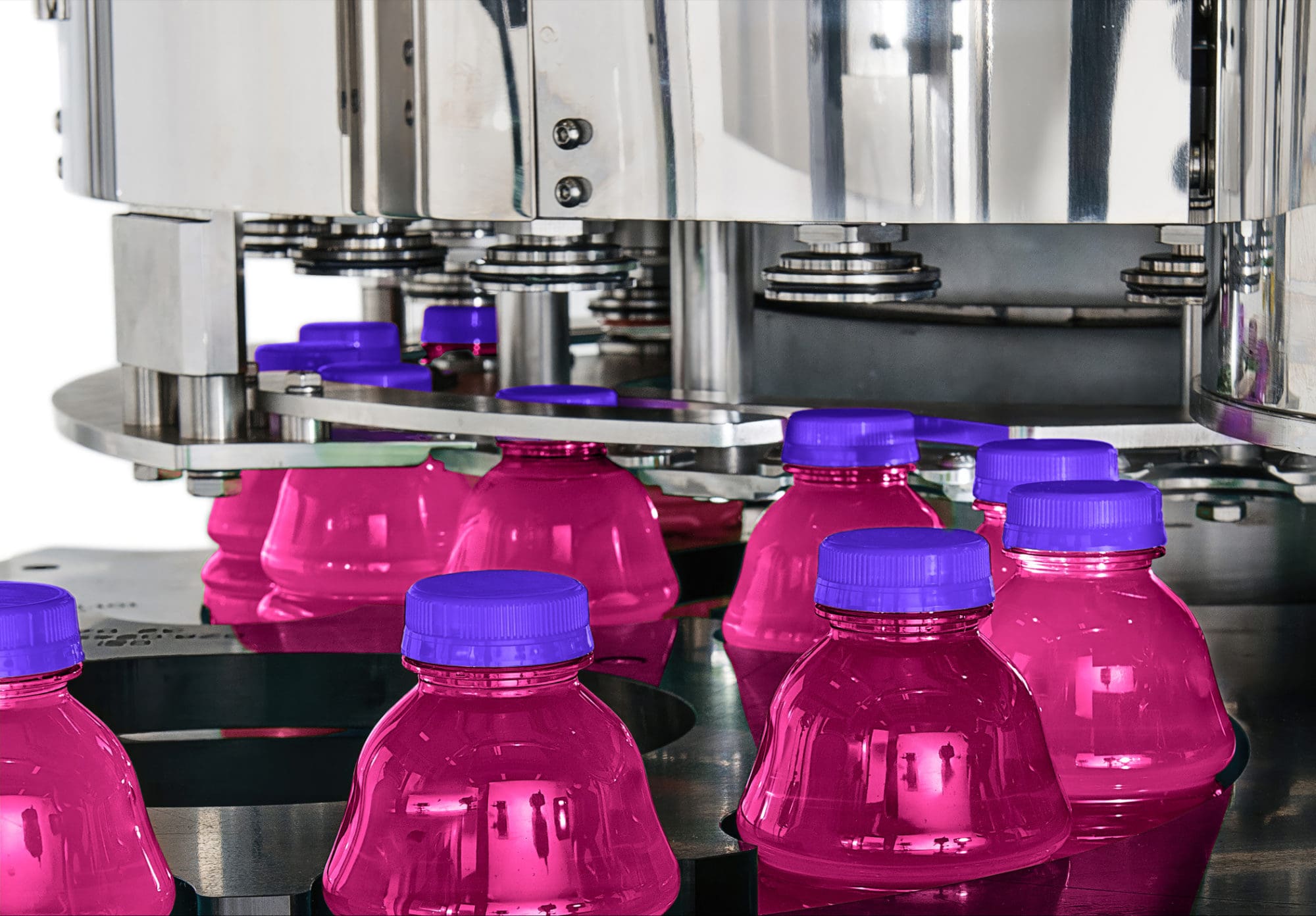
Strategic Procurement Playbook – Bottle-Capping Equipment
RFQ Architecture: Lock-in Before Suppliers Quote
Open with a two-envelope process: technical bid first, commercial bid second. Embed minimum throughput 220 bpm, OEE ≥ 85 %, and MTBF ≥ 2,000 h as pass-fail criteria; any deviation triggers automatic disqualification. State that the index price ceiling is USD 1.8 million for a 4-head rotary monoblock (FOB Shanghai basis) and require bidders to quote in indexed machine-units (base 100 = Jan 2024) so inflation risk stays visible. Force disclosure of sub-component origin; if > 25 % of critical valves, servo drives, or PLC come from single-source suppliers, demand a 12-month buffer stock at no cost. Insert a 5 % retention bond callable for 18 months after final commissioning; this single clause has cut post-warranty claims by 32 % in recent beverage roll-outs.
Supplier Due-Diligence & Sample FAT Matrix
Run a 48-hour FAT at the OEM’s plant with your full-size container/closures; do not accept water-filled dummy bottles. Measure torque repeatability (σ ≤ 0.1 Nm), reject rate ≤ 0.05 %, and change-over time ≤ 20 min across three cap formats. Require the supplier to live-stream torque curves to your MS Teams channel; recordings become contract attachments. If any metric fails, the OEM pays USD 1,500 per day for re-FAT plus travel. Table 1 below converts FAT risk into economic value and guides the go/no-go threshold.
| FAT Variable | Acceptable Range | Risk-Weighted Cost if Failed | Mitigation Cost (Buyer) | Net Exposure @ 95 % CI |
|---|---|---|---|---|
| Torque σ (Nm) | ≤ 0.10 | USD 18k field re-work | USD 3k FAT extension | USD 21k |
| Reject Rate | ≤ 0.05 % | USD 25k downtime/month | USD 4k operator training | USD 29k |
| Change-over (min) | ≤ 20 | USD 9k lost output/shift | USD 2k quick-change parts | USD 11k |
| PLC Cycle Time (ms) | ≤ 8 | USD 12k line-speed loss | USD 5k firmware upgrade | USD 17k |
Incoterms Decision: FOB vs DDP
Use FOB major port when you control freight and have > 70 % utilization on existing import lanes; saves 6–9 % of machine cost but adds USD 0.9–1.3 k/m³ for crating and marine insurance. Shift to DDP plant when the supplier runs consolidated logistics for ≥ 6 identical machines; landed cost premium is 4–5 % yet caps delay penalties at 0.5 % of contract value per week, half the maritime average. Insert a force-majeure carve-out: if Red-Sea or Panama reroute adds > 14 days transit, freight cost reverts to supplier for DDP, or shared 50/50 under FOB.
Contract Risk Control Library
Embed IP indemnity with uncapped liability; capping at contract value was rejected by 8 of 10 insurers in 2023. Require cyber-security compliance to IEC 62443-3-3; non-compliance triggers USD 50k flat penalty plus forensic cost. Schedule spare-part price-lock for 7 years with max +15 % escalation tied to PPI machinery index; historical data show post-warranty parts inflate 6–8 % CAGR without lock. Finally, add a performance liquidated-damage of USD 7k per 0.1 % shortfall on guaranteed throughput; empirical evidence puts collection rate at 92 % when clause is ≤ 10 % of total price.
Installation & Final Commissioning
Insist on supervisor-to-operator ratio 1:3 during first 160 production hours; anything looser correlates with +38 % stoppage risk. Use a stage-gate sign-off: mechanical completion, dry-cycle, FAT repeat (mini-FAT on site), 24-hour production, then 72-hour reliability. Tie final 15 % payment to reliability gate; release only when MTTR ≤ 15 min and cap-scrap ≤ 0.03 % is demonstrated. Collect digital twin file (CAD, PLC, servo parameters) before the OEM team departs; plants that archive this data reduce future re-commissioning cost by USD 25k–40k per event.
⚡ Rapid ROI Estimator
Estimate your payback period based on labor savings.
Estimated Payback: —